BACK to Participation
Young Heroes of Positive Change, Poland 2025
“Young Heroes of Positive Change” was an international Erasmus+ Youth Exchange that took place between 6–13 April 2025 in Murzasichle, near Zakopane, Poland. The project brought together 32 young people aged 18–25 from Romania, Spain, Slovakia, Lithuania, Greece, and Poland. The project aimed to develop the competences necessary to counteract hate speech and extremist attitudes among young people, their peers, and the local communities from which they came. A carefully structured six-day mobility program provided the framework for this objective, and participants were engaged in a series of thoughtfully designed workshops and activities that addressed these critical issues.
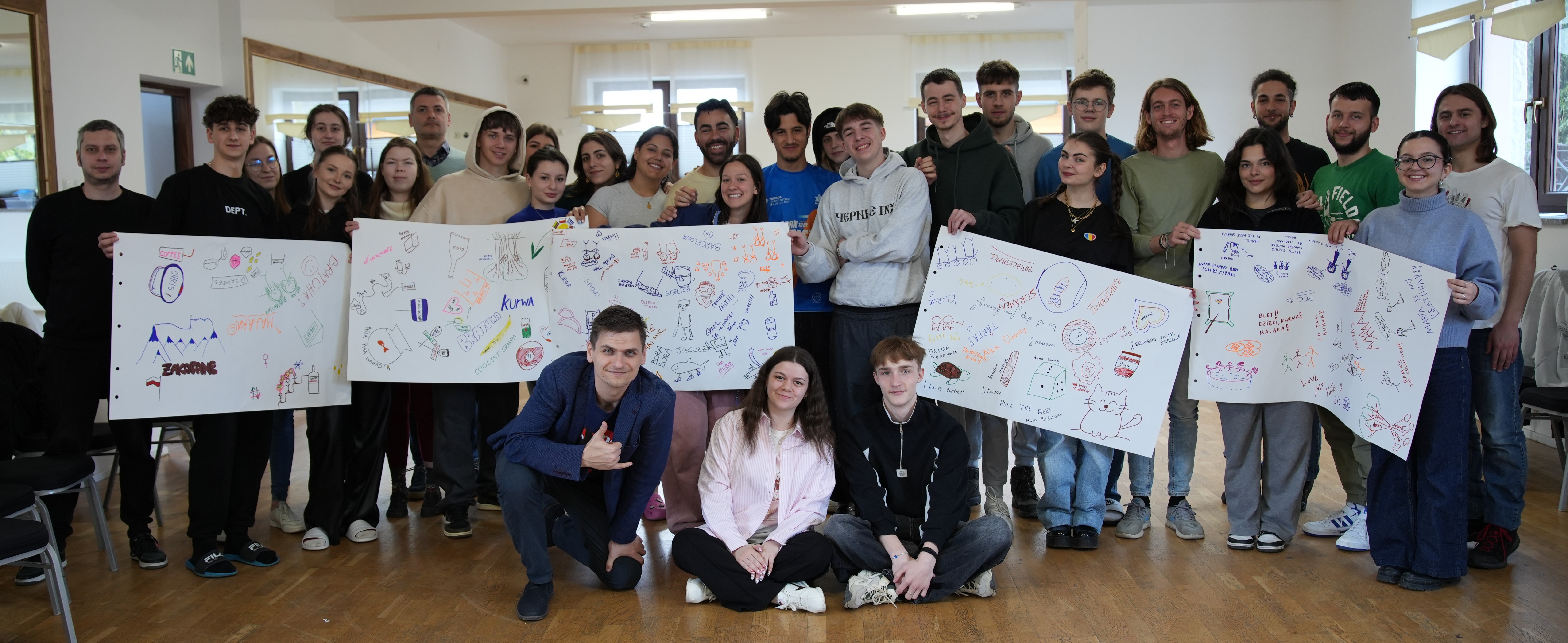
Throughout the program, the facilitators employed innovative non-formal learning methods that were well-suited to the project’s subject matter and the diverse profiles of the participants. The learning process combined both theoretical and practical approaches, ensuring that participants not only absorbed essential knowledge but also applied it in real-world contexts. Interactive presentations, brainstorming sessions, workshops, and discussions fostered an environment of critical thinking and open dialogue, which was pivotal in challenging and reshaping extremist attitudes. Language animations and ice-breaking games were also integrated into the program, effectively enhancing communication skills and promoting a sense of unity among participants from varied backgrounds.
The exchange not only developed key competences related to social responsibility and intercultural awareness but also fostered strong friendships and lasting memories among young people from across Europe. The project successfully equipped young people with the tools and understanding needed to combat hate speech and extremist ideologies. The comprehensive, multi-faceted approach ensured that the participants emerged as more responsible and proactive citizens, better prepared to foster social cohesion and inclusivity in their communities.
This project was done with the support of the Erasmus+ Programm.